
Home / Small molecules / Discovery / Discovery Chemistry
Discovery Chemistry Services for Small Molecule Programs
Synthetic and medicinal chemistry that runs as an extension of your team, from first hit to preclinical candidate.
The chemistry problems teams bring us
Most discovery programs stall for one of four reasons. Each is described below, and each has a team here that has met it before.
Chemistry Synthesis
Library
Specialty Chemistry
Technology Platform
How programs start
Two engagement models, and you can move between them as the program changes shape.
Fee-for-service suits a defined piece of work: a set of analogues, a difficult intermediate, a route to a known compound. We agree on the specification up front and you pay for the deliverable.
Full-time equivalent suits a program. You get named chemists who stay with your project, learn your series and are yours for the duration.
Even small programs are welcome. Most of our longest partnerships began as one project.
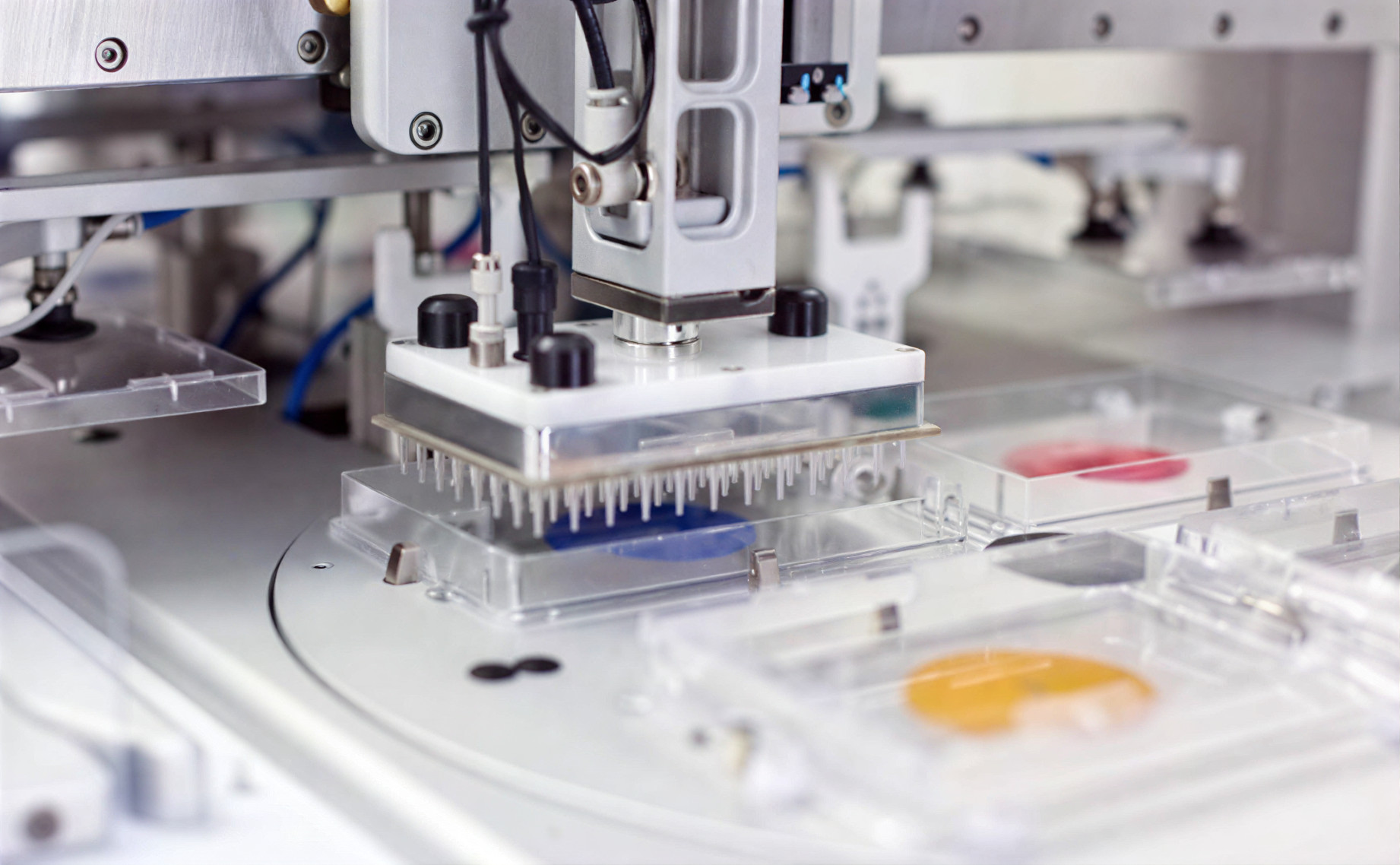
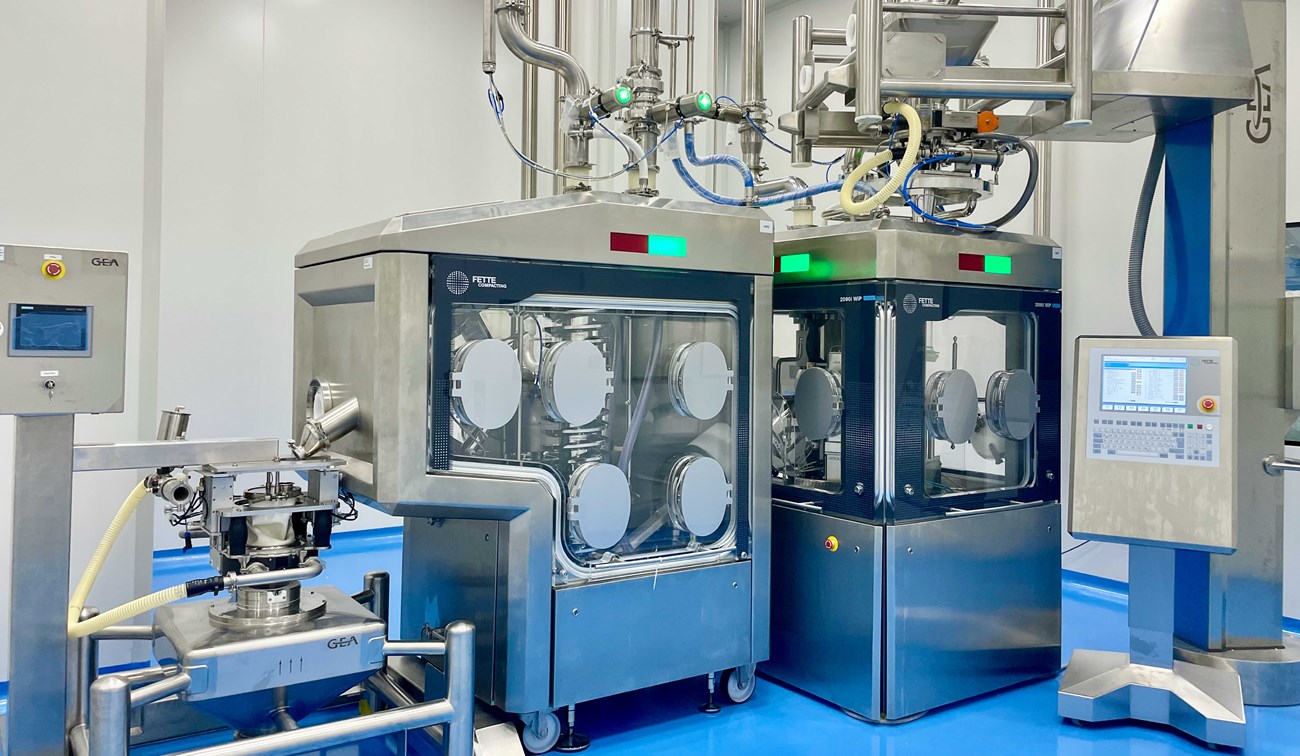
What sits behind your project
You are hiring a team, not a building. What that scale buys you is consistency: the same team is still on your program in 18 months.
- Around 9,000 chemists across five research sites
- 440,000+ compounds delivered a year
- 1,035 clients into their fifth year with us or beyond, 308 of them past 10 years
- 99% on-time delivery
- More than 25 years in small molecule discovery
Our discovery technology platform
The tools we reach for when a standard route will not do the job.
Flow chemistry and electrochemistry — for chemistry that is difficult to run safely, unselective or simply impossible in batch.
Photoredox chemistry — bond formations that thermal conditions cannot reach.
Late-stage functionalization — changing a scaffold late without rebuilding the synthesis, which is what turns a four-week SAR cycle into a one-week one.
Biotransformation — enzymatic steps for selectivity that chemistry struggles with.
Reaction condition and catalysis screening — high-throughput screening to find conditions that work repeatably, rather than conditions that worked once.
Reaction profiling — understanding why a reaction behaves as it does, so the fix is deliberately designed rather than found.
Speed that survives the next stage
A discovery partner can be fast in a way that costs you later: a route that works at 200 mg and will not scale, made by chemists who will never see the program again.
The pace that matters is measured from first screening compound to a candidate you can actually develop. That is why our discovery chemists work to the same process standards as the people who will make the kilogram batch.