Home / Oligonucleotides and Peptides / Drug Substance
TIDES Drug Substance
Sixteen new chemical entities through process performance qualification since 2019, without a failure.
Process performance qualification
Process performance qualification is the stage that confirms a process is ready for commercial production: the process has to make conforming material at commercial scale, typically in three consecutive batches.
Since 2019 we have taken 16 new chemical entities through PPQ with a 100 percent success rate — 12 peptides and 4 oligonucleotides, with 11 further oligonucleotide programs in PPQ-enabling work. Across the peptide platform that is more than 30 PPQ campaigns in total, covering fragments, linear peptides, peptide-drug conjugates, radionuclide-drug conjugates and peptide-PMO.
Molecules supported
Since 2018 we have supported more than 330 peptides and more than 240 oligonucleotides from preclinical through Phase II. Across the oligonucleotide programs, 126 molecules are supported across preclinical to commercial stages: 73 siRNA, 25 ASO, 21 PMO and PPMO, 6 sgRNA and tRNA, and one aptamer.
The peptides break down as more than 200 linear, more than 80 cyclic, and more than 50 conjugates.
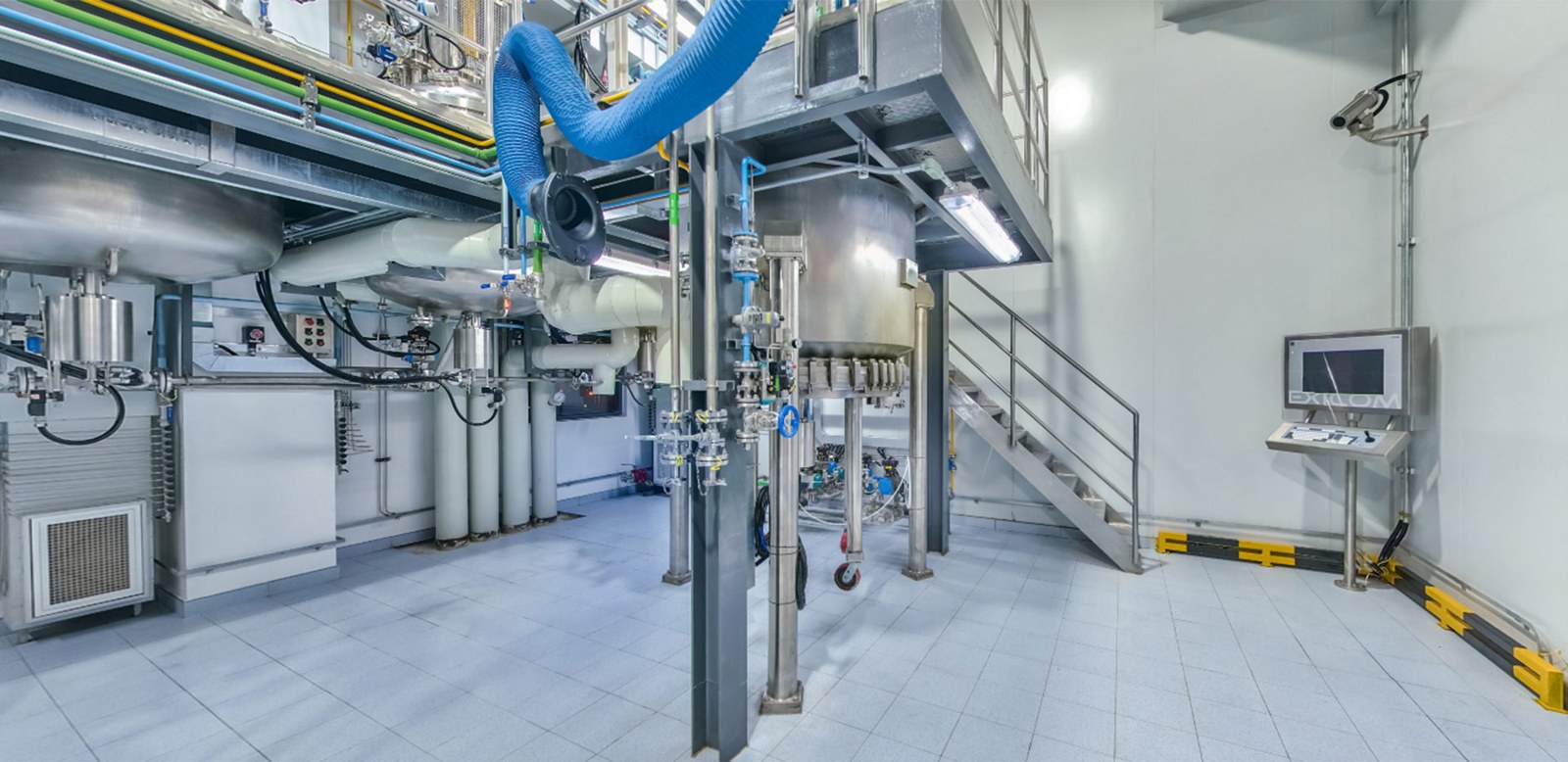
The oligonucleotide manufacturing process
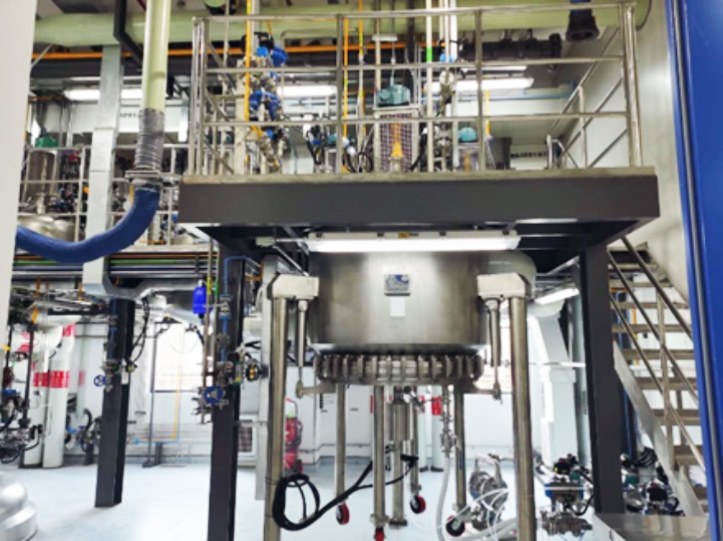
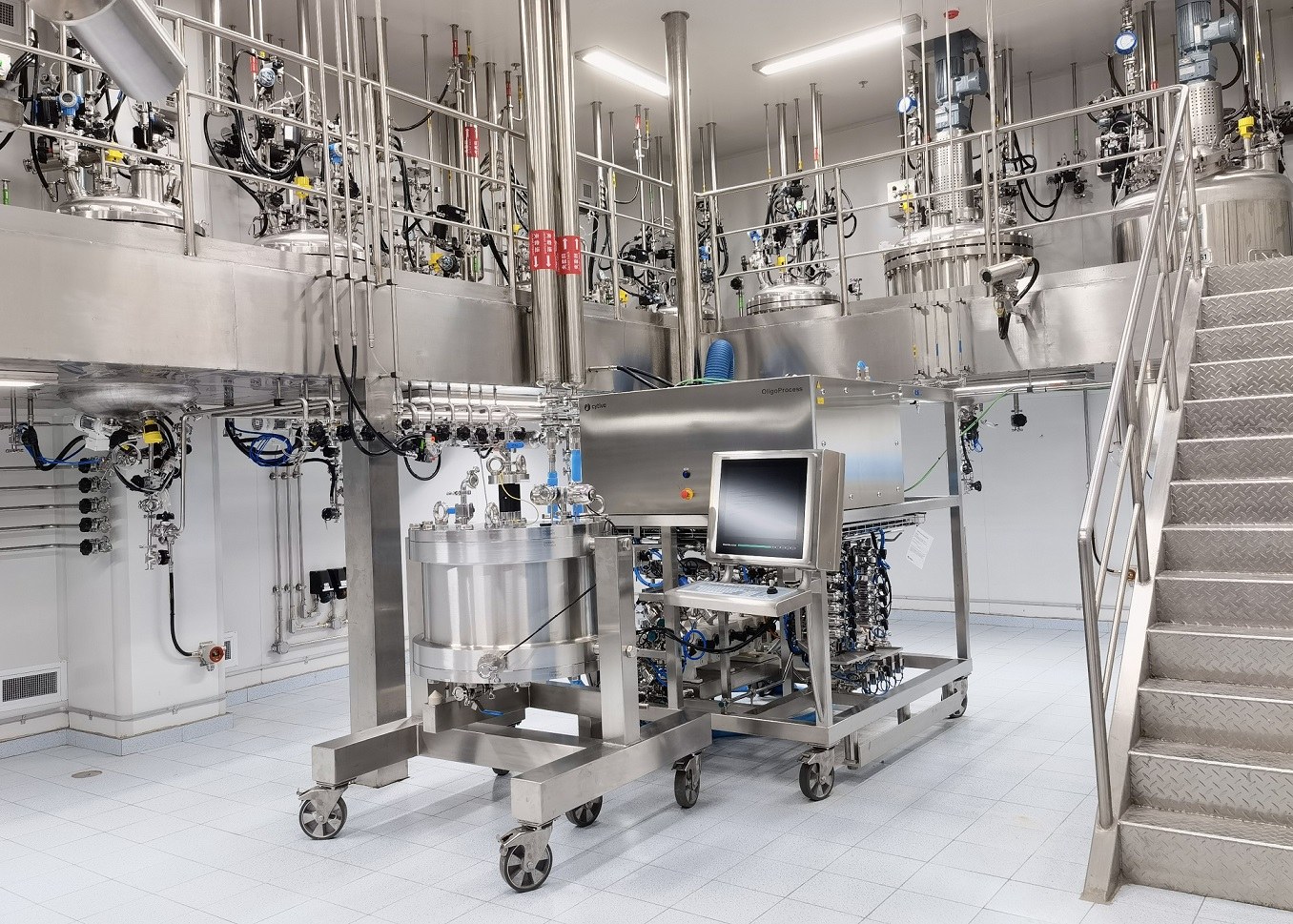
An oligonucleotide manufacturing process is a set of decisions: a synthesis route, a cleavage and deprotection strategy, a purification train, an isolation method and an impurity control strategy. The wrong choice in any of them shows up as cost per gram at commercial scale.
We run solid-phase, liquid-phase and ligation-enabled manufacture, and select between them per molecule. Around it sit enzymatic ligation, PN bond formation, precipitation, stirred-bed processing and thin-film evaporation, applied where they improve yield or impurity profile as scale increases. Purification runs on continuous flow chromatography, ion-exchange, reverse-phase, hydrophobic interaction and membrane-enabled methods.
The peptide manufacturing process
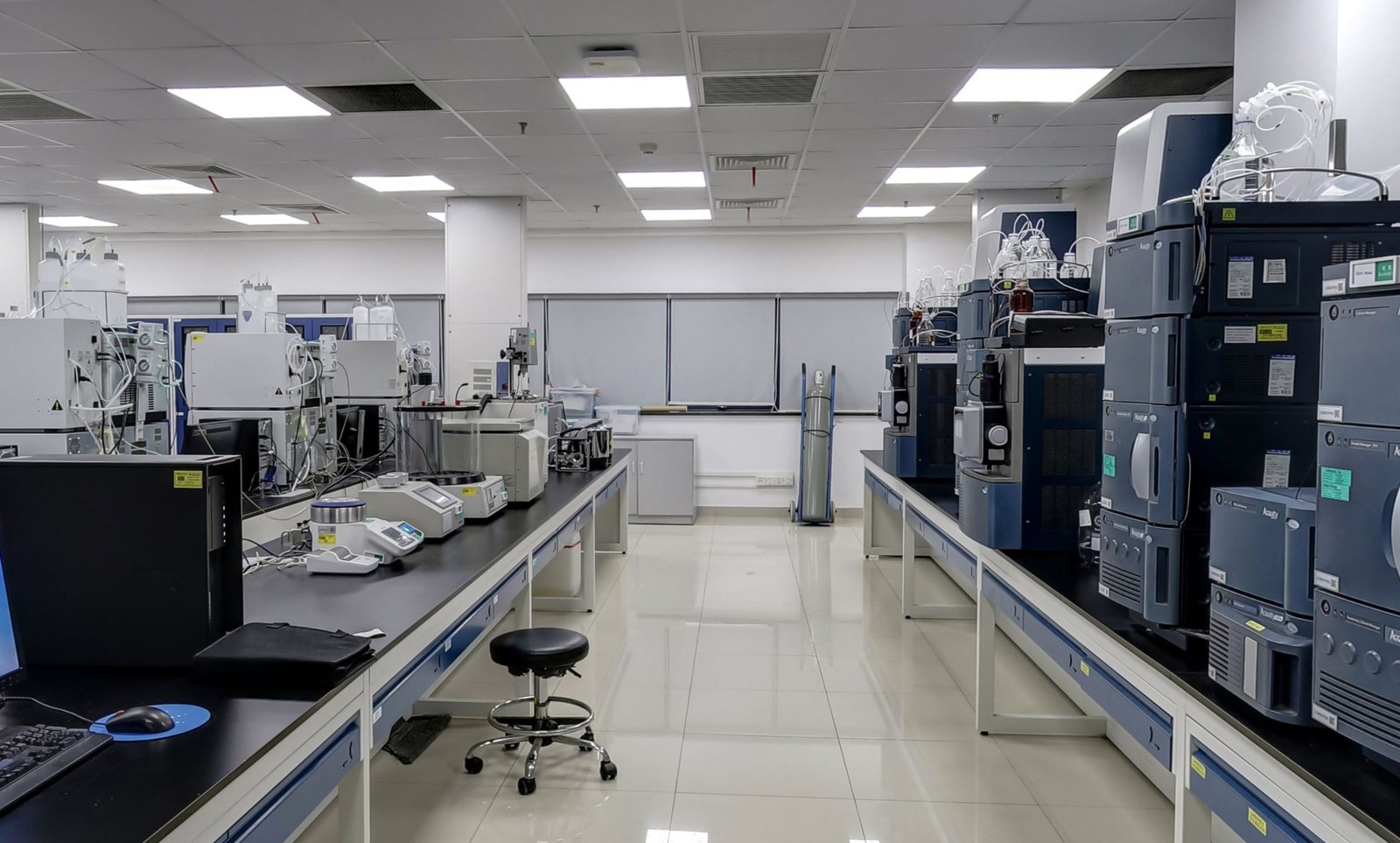
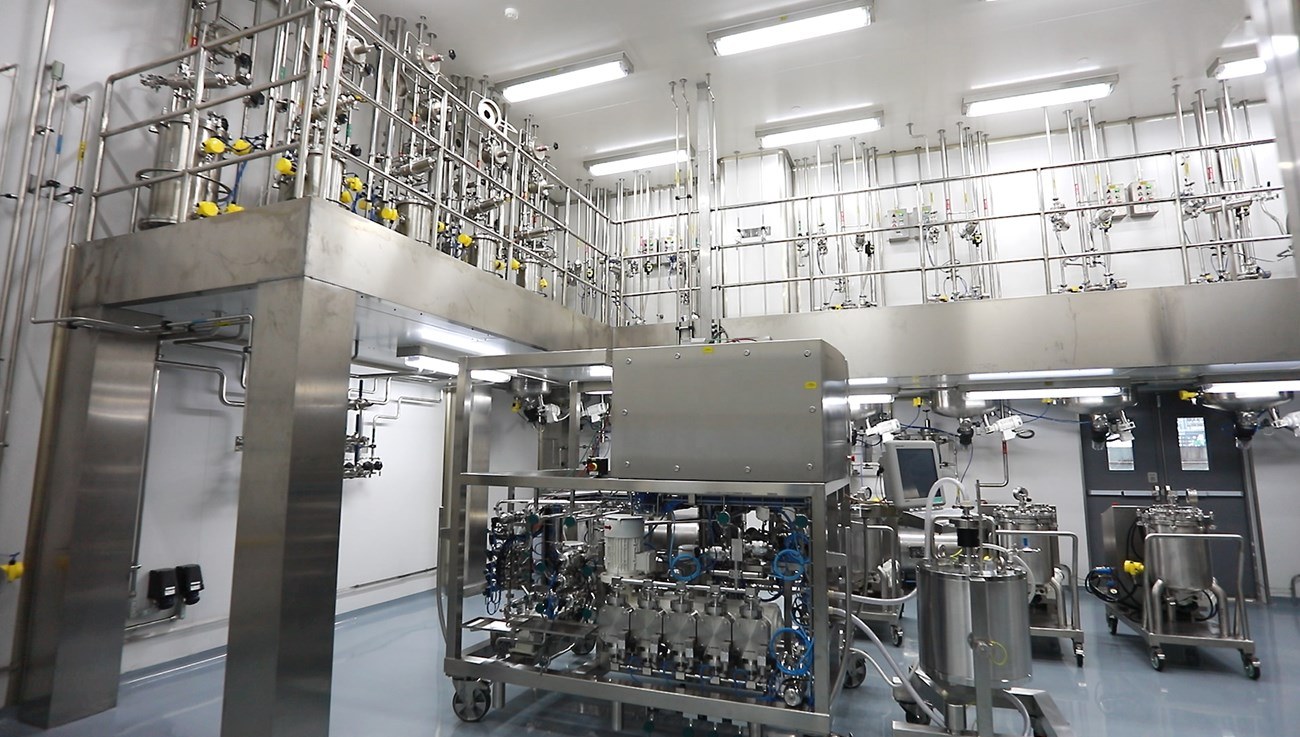
For peptides the equivalent set of decisions is solid-phase, liquid-phase or a hybrid of the two, and linear against convergent assembly. All of them run at WuXi TIDES, on more than 20 solid-phase peptide synthesis production lines, and the choice is made per molecule.
The peptide API platform sits on two sites: Changzhou, 74 acres, and Taixing, 168 acres with 84 acres in phase one.
Building blocks and conjugates
Two things sit alongside the API itself. The first is the building block: the modified amidite, the GalNAc ligand, the unnatural amino acid or the chelator that the sequence is assembled from, and that a regulator will ask about as a regulatory starting material. The second is the conjugate: the payload, the linker and the attachment chemistry.
Both are made in the same organization as the API, which is why the impurity profile of the building block and the impurity profile of the drug substance are held by the same people.


Inspection history
Across WuXi STA and WuXi TIDES:
20
12
95
17
4
6
From IND-enabling batches to commercial supply
An oligonucleotide IND-enabling CMC package can be ready in seven months. For peptides, non-GMP scale-up delivers material for candidate confirmation and early formulation work in five to seven weeks.
Clinical supply and scale-up run on the same platform and the same analytical methods, across vessels from 10 litres to 5,000 litres for peptides and around thirty oligonucleotide manufacturing lines. Commercial supply runs at more than 60 metric tons of peptide product a year; one oligonucleotide program delivered more than 400 kilograms in nine months.
Two further plants are under construction at Taixing for 2027, and one at Singapore for the second quarter of 2028. The Singapore site puts peptide and oligonucleotide manufacturing capacity outside China.
16 molecules, 16 successful qualifications
Process validation is a binary outcome: the process makes conforming material at commercial scale or it does not.
Sixteen new chemical entities, 16 successful qualifications, across fragments, linear peptides, conjugates and peptide-PMO as well as oligonucleotides.