
Home / Oligonucleotides and Peptides / Drug Substance / Peptide / Peptide Conjugate
Peptide Conjugate
The payload, the linker and the peptide, made in one organization.
What a conjugate program has to source
A conjugate program rarely runs late because the conjugation chemistry fails. More often the peptide comes from one supplier, the toxin or chelator from a second and the linker from a third, and each handover brings a new set of analytical methods, a new impurity discussion and a shipment waiting on customs.
Peptide conjugation is a fast-growing modality for targeted delivery, raising efficacy and reducing side effects in oncology in particular. We make all three components: small molecule chemistry, peptide synthesis and oligonucleotide synthesis are one organization at WuXi, so the conjugation step can be developed while the components are still being optimized.
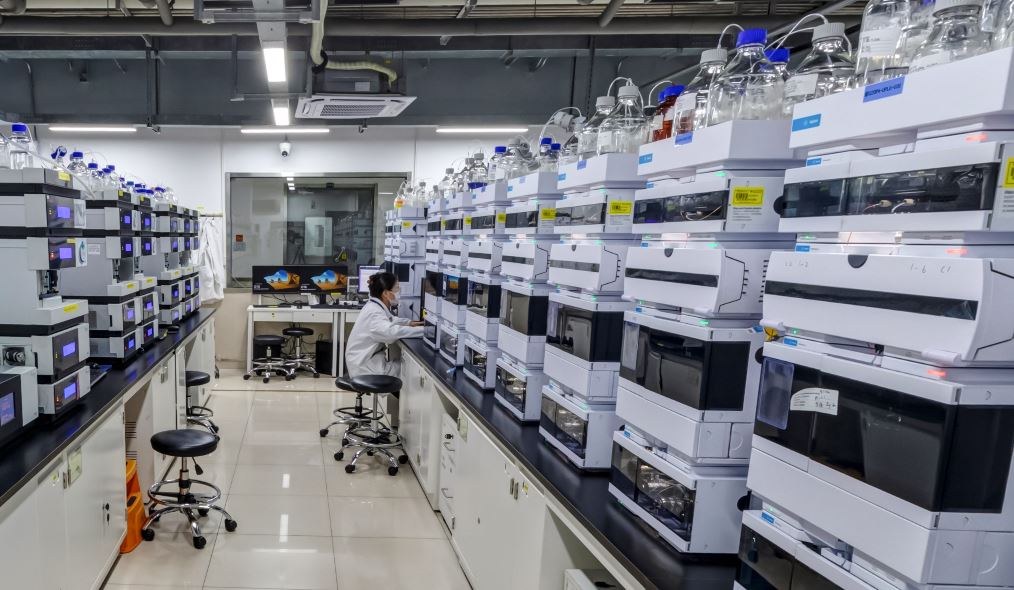
Conjugate types
Peptide-drug, peptide-lipid, radionuclide-drug and other ligand- or payload-modified peptides:
What the service covers
- Linker design, with the right size, a suitable release mechanism and compatible conjugation chemistry
- Payload derivatives with modified toxicity or a special linkage site
- Synthesis of customized drug-linker complexes
- Scale-up from discovery to commercial on one platform
Linkers and payloads
The platform draws on more than 1,600 linkers and a payload library that includes toxins, chelators, GalNAc and radionuclide handles. More than 360 peptides, lipids and PEG linkers are available off the shelf for early conjugation work.
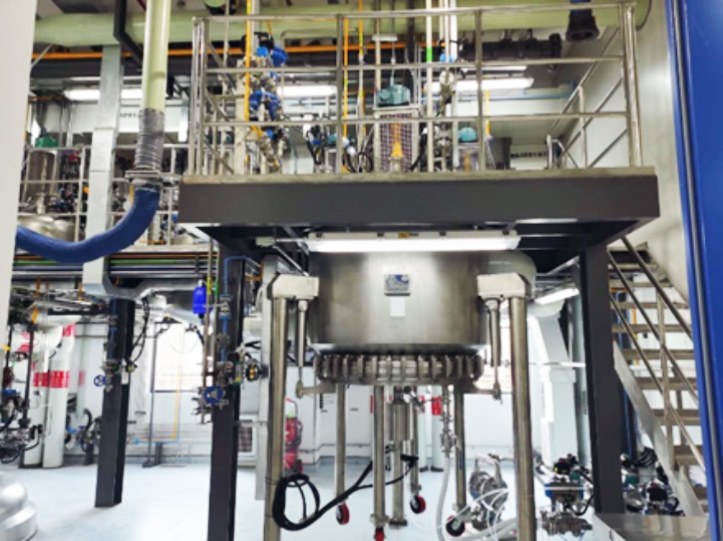
Radionuclide drug conjugates
For radionuclide work the chelator is the critical building block. DOTA and NOTA chelation is available on both peptide and oligonucleotide sequences, made in the same place as the sequence itself.
Twenty-eight of the 118 conjugates we support are radionuclide drug conjugates.
Peptide-oligonucleotide conjugates and PPMO
Eighteen of the conjugates we support are peptide-oligonucleotide, including peptide-PMO. The class needs a peptide platform and an oligonucleotide platform on one site with a shared analytical group.
Both platforms are at Changzhou, China, together with the conjugation chemistry. We have completed dozens of PMO projects, more than 10 of them PPMO.
Validated at commercial scale
Peptide-drug conjugates, radionuclide-drug conjugates and peptide-PMO are among the modalities already taken through process performance qualification, within the 12 peptides qualified since 2019 at a hundred per cent success rate.
An integrated peptide-toxin development and manufacturing program ran in nine months, with four workstreams in parallel and sample transport and information sharing moving straight from the upstream to the downstream team.

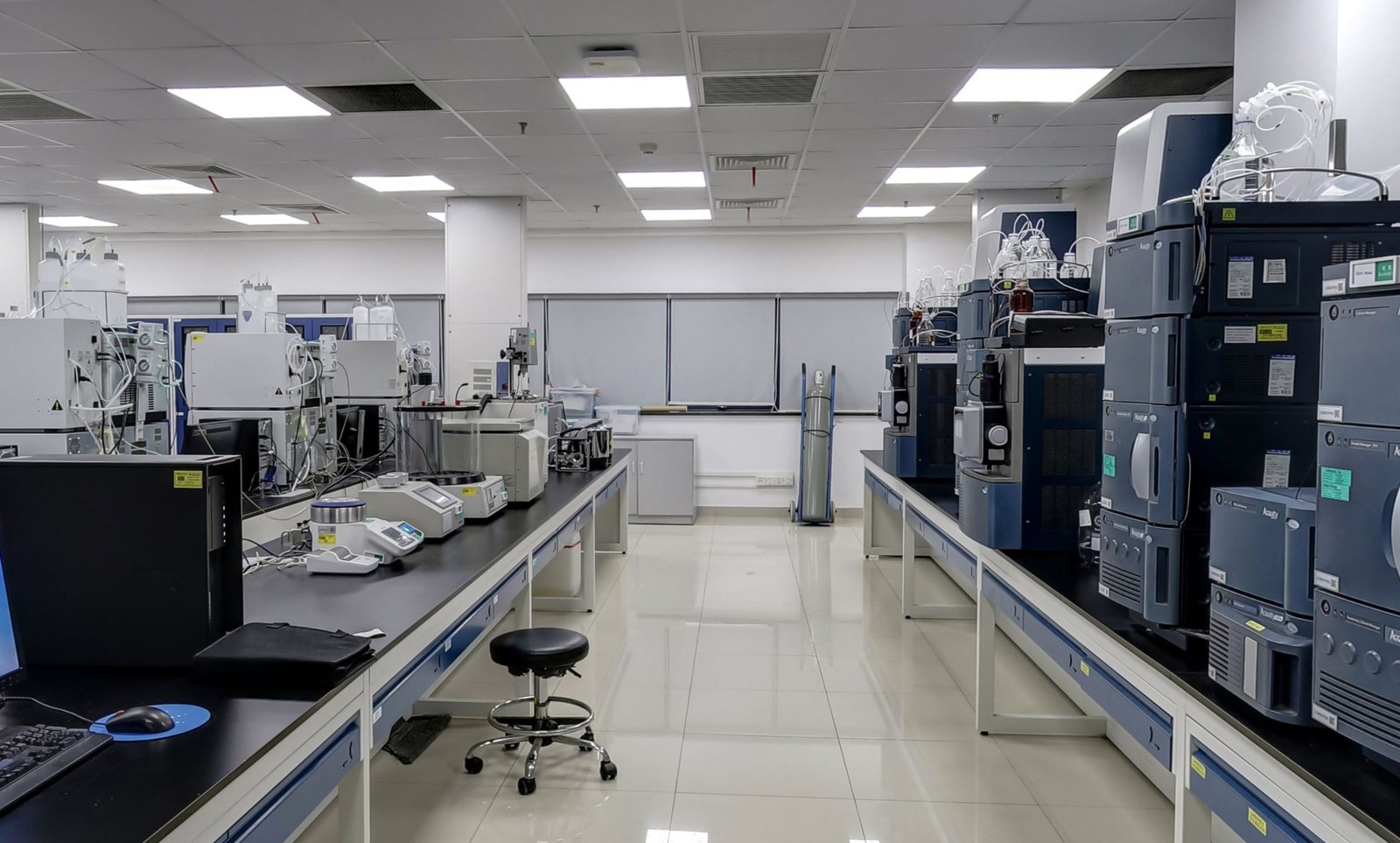
Design decisions made with scale-up in view
The linker chemistry that works on 50 mg does not always work on 5 kg, and the conjugation strategy chosen in discovery is usually the one carried to IND. Because process development runs in the same organization, scale-up feasibility can be assessed while several leads are still open.
For conjugates carrying cytotoxic or radionuclide payloads, the dedicated high-potency sterile line at Wuxi City is what allows the program to stay on one site from first-in-human to launch.


