
Home / Oligonucleotides and Peptides / Discovery / Peptide / Unnatural Amino Acids
Unnatural Amino Acids
A residue available only in 50 mg quantities cannot be taken past candidate selection.
The residue that is not on sale
A peptide design that calls for a residue nobody sells is a design that does not get tested, and a residue available only in milligram quantities is one that cannot be carried past candidate selection.
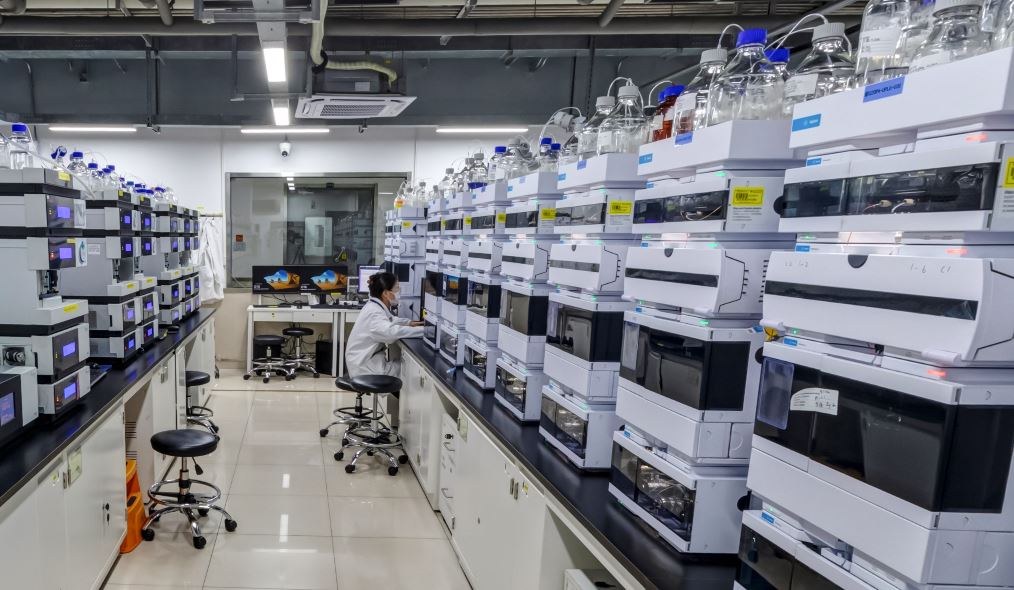
We synthesize unnatural amino acids of all types, including the most challenging structures, tailored to the specification, at every stage. More than 2,500 unnatural amino acid products are in the catalog, and we have customized more than 16,000 since 2019.
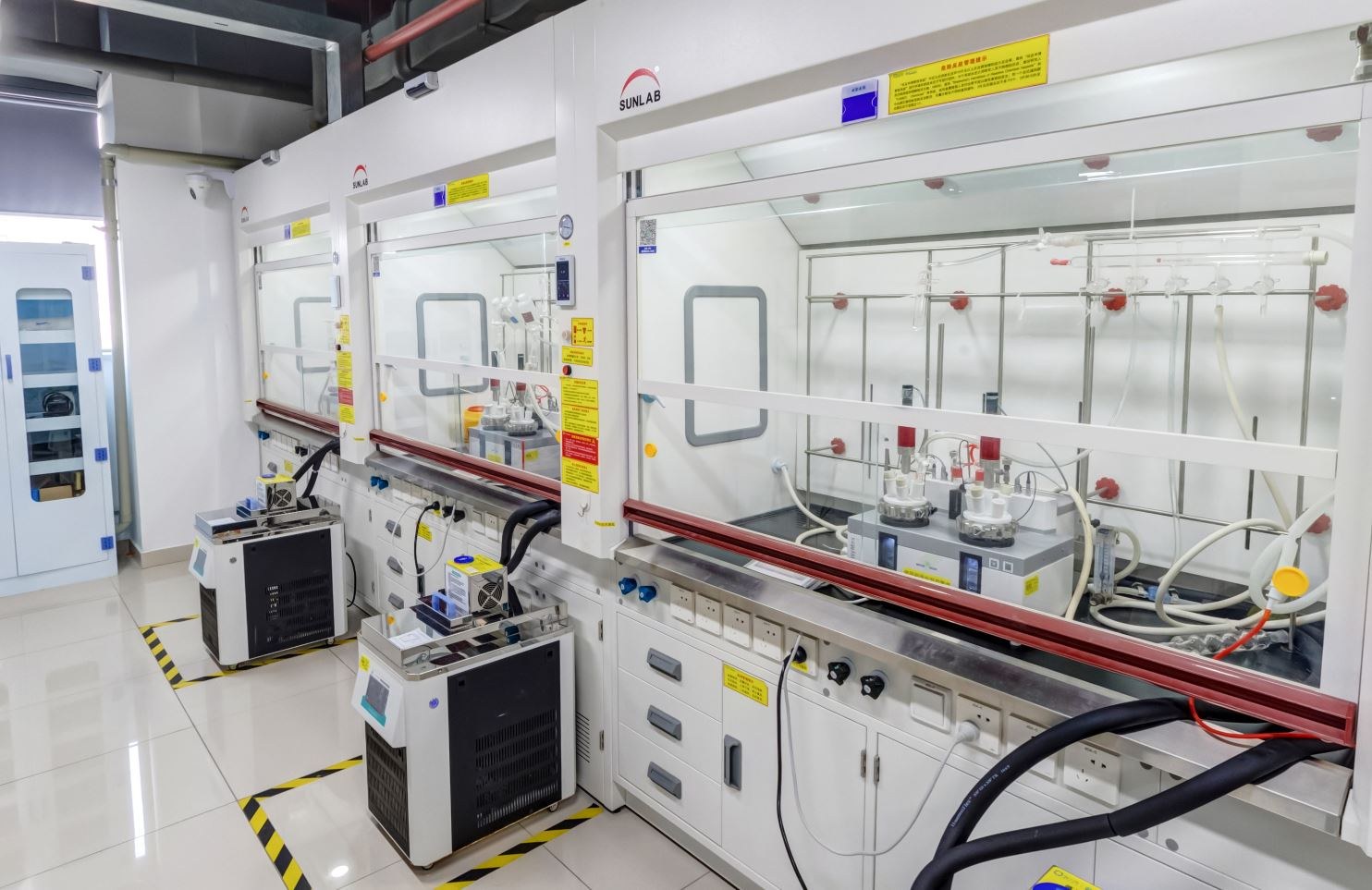
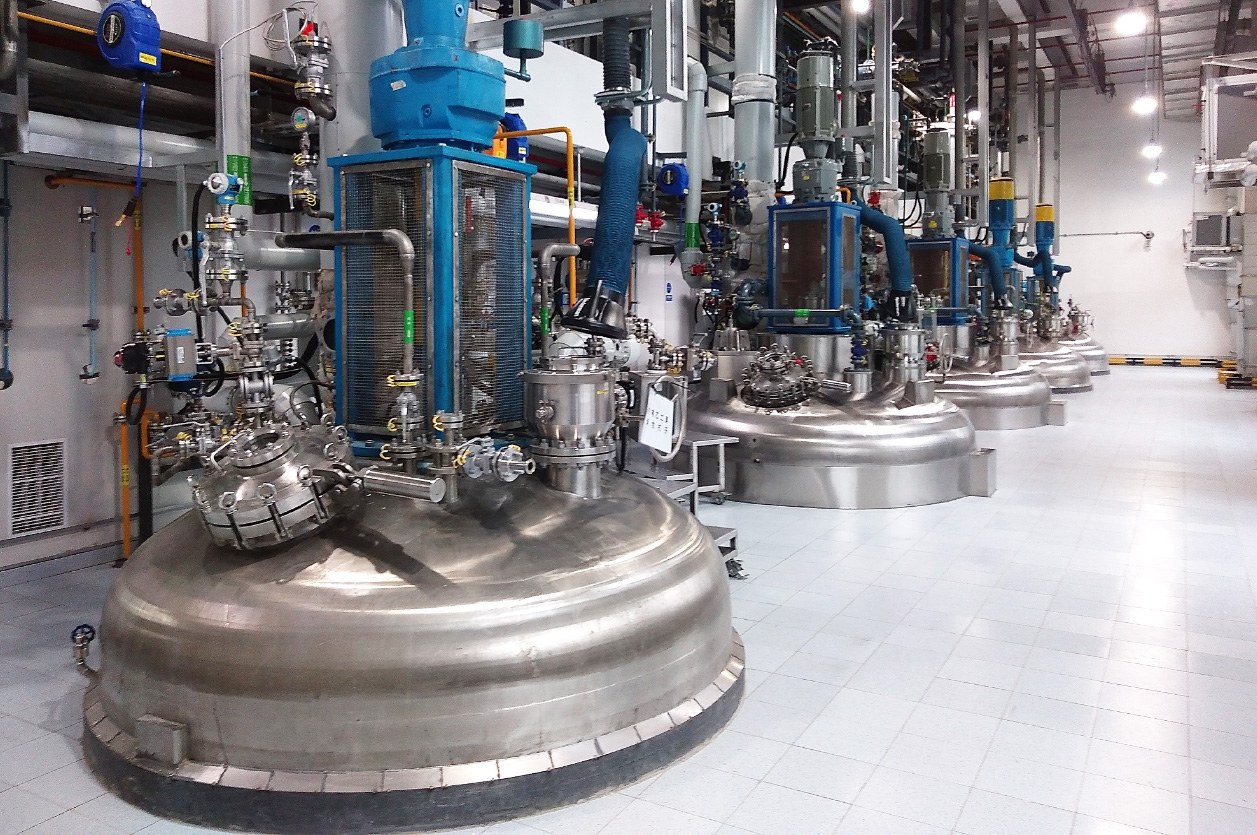
Custom synthesis runs from laboratory to production scale, under global quality standards.

What is in the catalog
Derivatives of natural amino acids, side-chain modified and backbone modified amino acids, and unusual residues, across these series:
- Alpha-alkylated and N-methyl amino acids
- Homo-natural, beta and gamma amino acids
- Alkenyl, azido and alkynyl amino acids
- Sugar, urea, phosphorus-containing, lipidated and PEG amino acids
- Pseudo, aryl and alkane amino acids
How the series are made
α-methyl amino acids: natural alanine is used to design α-Me derivatives, and the method extends to other natural amino acids such as leucine and phenylalanine.
N-methyl amino acids: a cyclization process achieves methylation in two steps.
Protecting group series: all protecting strategies can be implemented — Boc, Fmoc, Cbz, Mtt, DDE and IVDDE.
α- and β-construction series: enzyme catalyst techniques construct selectable α- or β-site unnatural amino acids.
NCA series: a process developed to control NCA quality effectively.
Case study: a building block for cyclic peptide synthesis
A custom residue made from gram to kilogram scale, with R1, R2 and R3 available as different protecting groups to the client’s design, and variable chain lengths.
It is a key building block for an alternative route in cyclic peptide synthesis, and an alternative option for thioether macrocycles.
Case study: scaling a click chemistry residue
A residue commonly used for copper-free click reactions and an ideal building block for peptide fragment conjugation is commercially available only in 100 mg quantities.
We supply these analogues at more than 500 gram scale on a short timeline.

Labeled and modified residues
Dye and fluorescent labeling, biotinylation and isotope labeling are all available on the sequences these building blocks go into — the labeled analogue for an assay and the unlabeled material for the study come from the same chemistry.